


Since its release in 2004, World of Warcraft has undergone numerous graphical upgrades, transforming from a relatively simple, stylized world into a vibrant and detailed digital landscape. In this article, we’ll explore the evolution of WoW’s graphics, how the game’s visual style has changed over the years, and what these changes mean for players today.
1. The Beginnings: Classic WoW
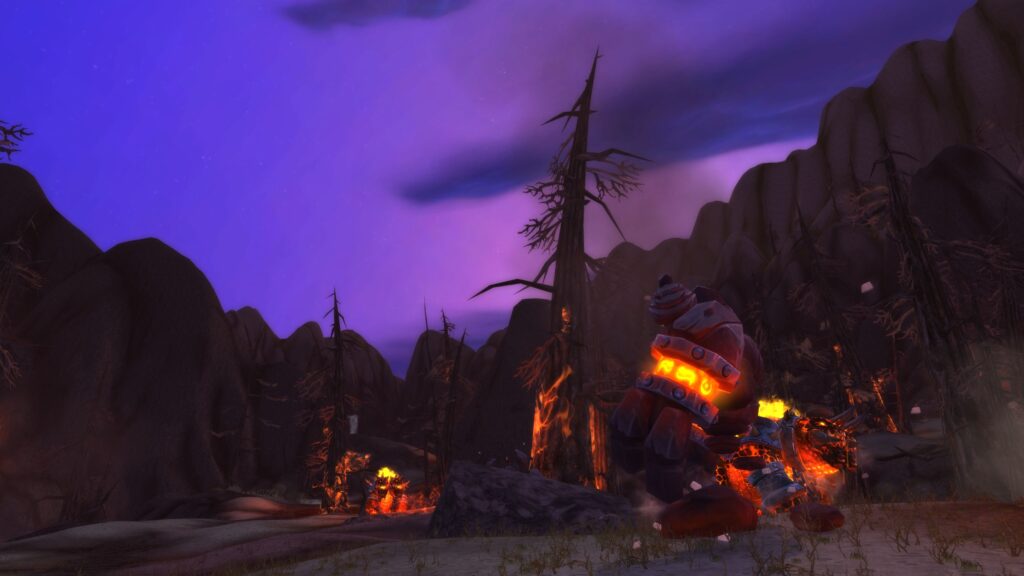
When World of Warcraft first launched in 2004, its graphics were considered state-of-the-art for an MMORPG. The game’s visual style was influenced by a cartoonish, high-fantasy aesthetic, with bold colors and exaggerated proportions. Though the graphics were relatively basic compared to what we see today, they captured the essence of Azeroth’s world and its unique artistic style. The focus was on gameplay and world-building, with visuals serving as a backdrop to the expansive adventure.
2. The Burning Crusade and Wrath of the Lich King

As the first expansions of WoW, The Burning Crusade (2007) and Wrath of the Lich King (2008) introduced new areas and models that required further graphical updates. The introduction of new zones like the shattered world of Outland and the icy kingdom of Northrend brought with them updated textures, more complex character models, and the first steps toward more detailed environments. While still using the same engine, these expansions began to push the boundaries of what WoW could display.
3. Cataclysm: A Massive Overhaul
In 2010, with the release of Cataclysm, WoW underwent one of its most significant graphical overhauls. This expansion saw the introduction of new character models, improved textures, and more dynamic lighting. For the first time, Blizzard’s art team gave Azeroth’s landscapes a complete facelift. Not only were the zones themselves updated to reflect the cataclysmic events of the expansion, but the quality of the game’s visuals was elevated to match the growing demands of the player base.
4. Mists of Pandaria and Warlords of Draenor: Fine-Tuning and Detail
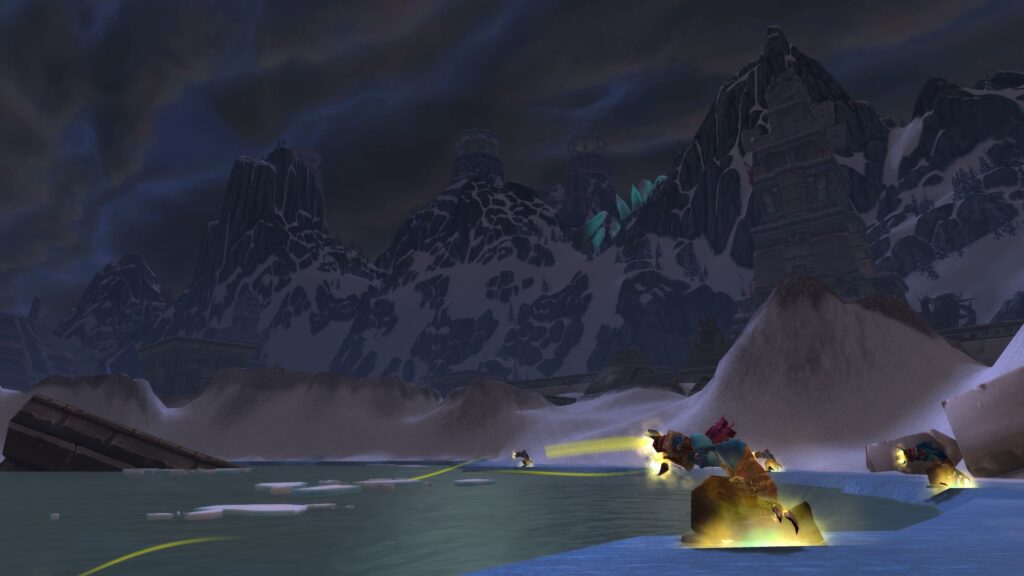
With Mists of Pandaria (2012) and Warlords of Draenor (2014), Blizzard’s focus shifted to refining existing visuals and adding more subtle details. The Pandaren’s new models were crafted with greater detail and animation, and zones like the Jade Forest were lush and vibrant with intricate textures and dynamic lighting effects. Warlords of Draenor took this even further, with improved character models, more polished animations, and advanced visual effects, offering a smoother and more immersive experience than ever before.
5. Legion and Beyond: The Push for High-Definition

By the time Legion (2016) and the subsequent expansions came around, WoW had fully embraced the era of high-definition gaming. The game received major updates to its character models, including smoother textures, sharper details, and more realistic animations. Zones like the Broken Isles showcased a level of visual fidelity that rivaled modern AAA titles, and the dynamic lighting and shadow effects introduced a sense of depth and immersion previously unseen in WoW.
Conclusion
World of Warcraft’s evolution from its simple, stylized graphics in 2004 to the high-definition, intricately detailed world we see today is a testament to the game’s ability to adapt and evolve with technology. Each expansion has pushed the boundaries of what WoW can achieve visually, while maintaining its iconic art style that has become synonymous with Azeroth. Whether it’s through subtle environmental changes or dramatic character model updates, WoW’s graphics have grown in tandem with the game’s massive player base, creating an ever more immersive and beautiful world for players to explore.
Home